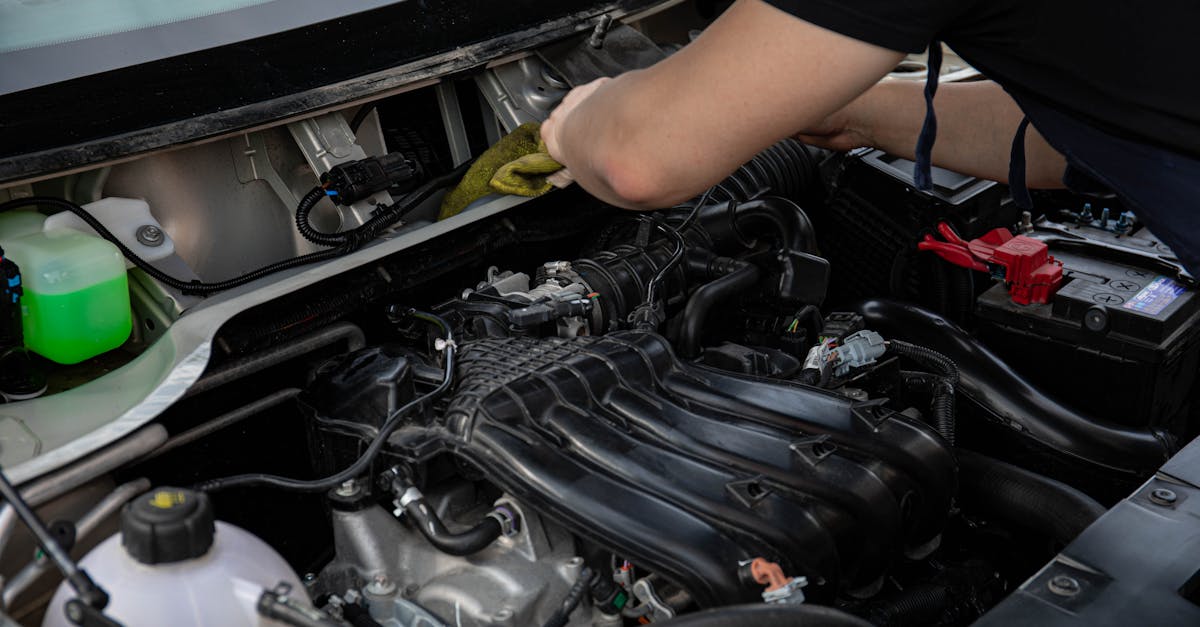
Understanding Hourly Rates of Mechanics in Sydney
Table Of Contents
Impact of Vehicle Make and Model
Certain vehicle makes and models often come with higher maintenance costs due to their complexity and the specific parts required for repairs. Luxury brands and high-performance vehicles typically demand specialised knowledge, which can lead to increased hourly rates from mechanics. For instance, a mechanic may charge more for servicing a European luxury car compared to an everyday sedan. This difference in pricing reflects not only the required expertise but also the availability of parts, which can sometimes be more difficult and costly to source.
Moreover, vehicles with advanced technology and intricate systems may necessitate additional training for mechanics. Such vehicles often require certifications that not all mechanics possess. As a result, car owners with these makes and models may find themselves paying a premium for services. This trend illustrates the direct correlation between vehicle specifications and mechanic charges, emphasising the importance of considering the make and model when budgeting for automotive repairs.
Do Luxury Vehicles Cost More?
Luxury vehicles often come with higher repair and maintenance costs. This can be attributed to several factors, including the use of specialised parts and advanced technology found in these cars. Mechanics may need specific training to handle the intricate systems in luxury models. Furthermore, the availability of parts can influence pricing; rare components can lead to longer wait times and increased labour charges.
Insurance and warranty considerations also play a role in the overall cost of servicing luxury vehicles. Owners may seek out authorised dealerships for repairs to maintain warranty coverage. This can result in higher hourly rates compared to independent mechanics. Additionally, the prestige associated with luxury brands can sometimes elevate the perceived value of services, prompting mechanics to adjust their pricing accordingly.
Seasonal Trends in Mechanic Rates
Mechanics in Sydney often experience fluctuations in business based on seasonal changes. During warmer months, vehicle maintenance tends to rise as more people embark on road trips and outdoor activities. Increased demand for servicing can lead to higher hourly rates, as mechanics accommodate the surge in customer requests. Conversely, the cooler months generally see a dip in automotive maintenance, potentially resulting in lower prices and discounts as businesses seek to attract customers.
Holidays also play a significant role in shaping repair costs within the automotive sector. Lead-up periods to major holidays, such as Christmas and Easter, often witness higher demand, pushing rates up as consumers rush to ensure their vehicles are in top shape for travel. Alternatively, following these peak periods, many mechanics may reduce prices to encourage bookings during quieter times. These cyclical patterns reflect the mechanics’ responsiveness to consumer behaviour driven by seasonal trends.
How Demand Fluctuates Throughout the Year
Throughout the year, the demand for mechanic services can vary significantly due to several factors. Seasonal changes often affect vehicle usage, leading to fluctuations in repair and maintenance needs. For instance, the summer months typically see an increase in road trips and vehicle travel, which may prompt more drivers to seek servicing for their cars. Conversely, during winter, the demand might dip as fewer people engage in long-distance journeys, resulting in lighter workloads for many mechanics.
Another contributing factor to these demand shifts is the timing of routine vehicle inspections. Many drivers tend to schedule services around registration due dates or after a certain number of kilometres have been driven. This pattern leads to predictable spikes in mechanic visits at certain times of the year. Economic conditions also play a role; during times of financial downturn, individuals may delay non-essential car repairs, impacting the overall service demand across the industry.
The Role of Certifications and Qualifications
Certifications and qualifications play a vital role in determining a mechanic's hourly rate. Mechanics who have pursued additional training or specialised certifications often command higher prices for their services. These credentials reflect their commitment to staying updated with the latest industry standards and technological advancements. As vehicles grow more complex, the need for skilled mechanics with advanced training becomes increasingly important, thereby justifying higher rates.
Qualifications also influence customer perceptions of reliability and expertise. Mechanics with recognised certifications typically attract more clientele due to the trust associated with their qualifications. This trust can lead to increased demand for their services, allowing them to set premium rates. In a competitive market like Sydney, having proper certifications can distinguish a mechanic from others, resulting in better earning potential.
Industry Standards and Their Influence on Pricing
Certifications and qualifications play a crucial role in determining the hourly rates mechanics charge. Mechanics who have undergone extensive training and received certifications from recognised Australian automotive organisations often command higher fees. This reflects not only their advanced level of expertise but also their adherence to industry standards. Customers may perceive these mechanics as more trustworthy and capable, resulting in a willingness to pay more for their services.
Additionally, the establishment of industry standards contributes to a general baseline for pricing within the automotive repair sector. Regulatory bodies and professional organisations set guidelines that ensure quality and safety in vehicle repairs. These standards influence the cost of labour as mechanics integrate their training into practice. As a result, consumers can expect a degree of consistency in pricing based on the mechanic’s qualifications and adherence to these established norms.
FAQS
What factors influence the hourly rates of mechanics in Sydney?
The hourly rates of mechanics in Sydney are influenced by various factors including the make and model of the vehicle, seasonal demand fluctuations, and the certifications and qualifications of the mechanic.
Do luxury vehicles cost more to repair than standard vehicles?
Yes, luxury vehicles typically come with higher repair costs due to the complexity of their parts and systems, as well as the need for specialised knowledge and tools to service them.
How do seasonal trends affect mechanic rates in Sydney?
Seasonal trends can greatly affect mechanic rates as demand can fluctuate throughout the year. For instance, rates may rise during peak travel seasons when more people require vehicle servicing.
What role do certifications and qualifications play in mechanic pricing?
Mechanics with higher certifications and qualifications often command higher hourly rates. This is because they possess advanced skills and knowledge that can ensure quality service and expertise in specific vehicle types.
Are there industry standards that influence mechanic pricing in Sydney?
Yes, industry standards set by organisations and regulatory bodies can influence pricing. These standards often dictate the required qualifications for mechanics and the expected level of service, which can impact hourly rates.
Related Links
Navigating Car Repair Estimates in SydneyAssessing the Cost of Preventative Maintenance
What to Look for in a Value-for-Money Mechanic
Tips for Negotiating Car Service Costs
Hidden Costs in Car Maintenance You Should Know
The Role of Transparency in Mechanic Pricing
Comparing Cost vs Quality in Auto Repair Services
How to Evaluate Service Packages from Mechanics