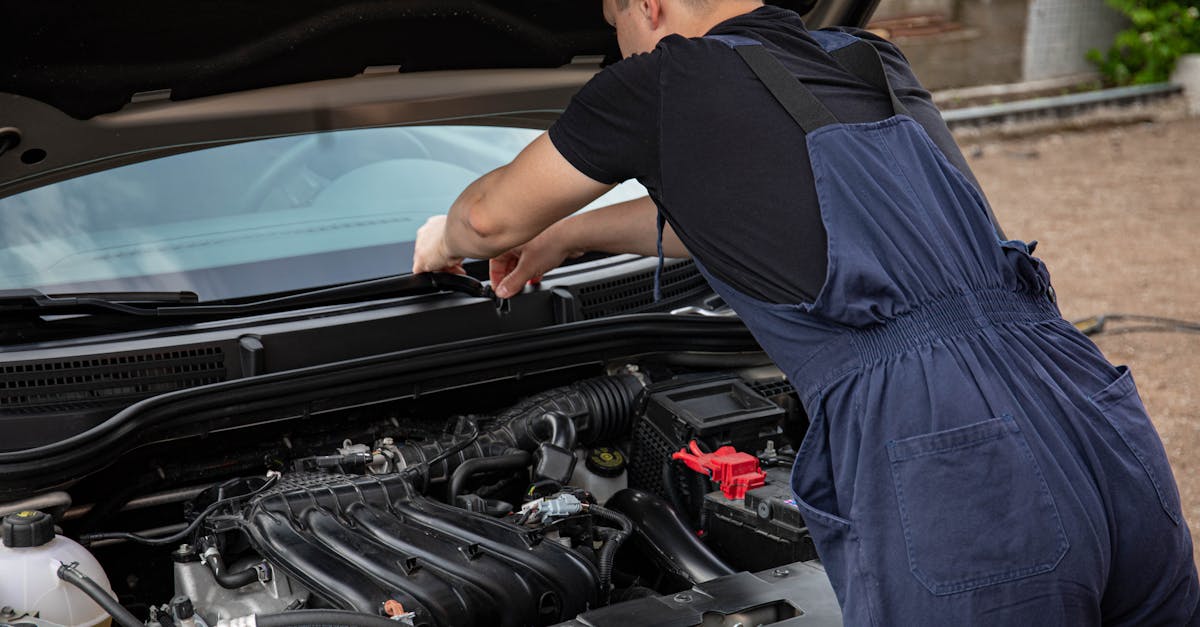
Top Symptoms Indicating the Need for Engine Diagnostics
Table Of Contents
Engine Vibrations or Shaking
Experiencing vibrations or shaking in the engine can signal underlying issues that require immediate attention. This sensation often arises from problems related to the engine's balance, misalignment of components, or worn mountings. If these vibrations are severe, they could lead to further mechanical damage, making early diagnosis essential.
Identifying the cause of these vibrations involves a thorough inspection. Loose or damaged engine mounts, as well as unbalanced components, can contribute significantly to the problem. Additionally, irregularities in the fuel system or a failing ignition can also manifest as excessive vibrations, necessitating a comprehensive diagnostic approach to pinpoint the exact source of the issue.
Identifying Potential Causes
Engine vibrations or shaking can stem from a variety of issues. One common cause is worn-out engine mounts, which can lead to excessive movement and noise during operation. Another potential culprit is an imbalance in the engine's internal components, such as the crankshaft or pistons. Misfiring spark plugs can also contribute to erratic vibrations, indicating problems in the ignition system or fuel delivery.
Other factors may include issues with the drivetrain or tyres. Misalignment or imbalance in the wheels can amplify vibrations felt within the vehicle. Additionally, worn suspension components can fail to absorb shocks, leading to a rougher ride. Recognising these symptoms early can prevent further damage and enhance overall vehicle performance.
Overheating Engine
An engine that runs hotter than its normal operating temperature can signal serious trouble. Owners should keep an eye on the temperature gauge during drives. If it begins to climb into the red zone, engine components may be at risk of damage. Ignoring these signs can lead to more significant problems down the line, potentially compromising engine integrity and performance.
A few factors can contribute to rising temperatures. Low coolant levels may indicate leaks or other issues within the cooling system. A malfunctioning thermostat can also prevent coolant from flowing properly. Additionally, a clogged radiator can reduce cooling efficiency, causing the engine to overheat. Regular inspections and maintenance can help mitigate these risks.
Signs That Temperature is Rising
An engine that is overheating often presents several clear indicators. A common sign is the temperature gauge on the dashboard displaying a higher than normal reading. If the gauge moves into the red zone, it signals that immediate attention is required. Another indication is steam or smoke coming from under the bonnet. This can occur when coolant levels drop too low, leading to potential damage if it’s not rectified promptly.
Strange smells can also accompany an overheating engine. A burnt smell may indicate oil or other fluids are leaking onto hot engine components. Additionally, drivers might notice a decrease in engine performance. This includes sluggish acceleration and a general feeling of resistance when attempting to speed up. Ignoring these signs may lead to severe engine damage, making timely diagnostics essential.
Difficulty Starting the Vehicle
A vehicle that struggles to start can indicate several underlying issues that may require immediate attention. Common symptoms include a clicking sound when turning the ignition and the engine cranking slowly. These signs often point to problems with the battery or starter motor. In some cases, the issue may also arise from fuel delivery problems, such as an empty tank or a clogged fuel filter.
Another important aspect to consider is the ignition system. If the engine doesn't start despite a functioning battery, the spark plugs or ignition coils may need inspection. Faulty wiring or connections within the ignition system can also contribute to starting difficulties. Drivers should pay close attention to these symptoms, as addressing them promptly can prevent more significant engine troubles down the line.
Possible Reasons for Ignition Issues
A vehicle that struggles to start can be the result of various factors affecting the ignition system. Faulty spark plugs can fail to ignite the fuel mixture effectively. If the ignition coil malfunctions, it may not provide the necessary voltage to spark the plugs. Additionally, issues with the battery can hinder the vehicle's capacity to start, often indicated by slow cranking or dim lights.
Another common reason for ignition difficulties is a problem with the fuel system. A clogged fuel filter can restrict fuel flow, making it hard for the engine to receive the necessary supply. Fuel pumps can also develop faults over time, leading to inadequate fuel being delivered to the engine. These issues, combined with electrical malfunctions, can create a frustrating starting experience.
FAQS
What are the common symptoms that indicate my engine needs diagnostics?
Common symptoms include engine vibrations or shaking, overheating, and difficulty starting the vehicle.
How can I identify the causes of engine vibrations?
Potential causes of engine vibrations may include worn engine mounts, misfiring cylinders, or issues with the fuel system.
What are the signs that my engine is overheating?
Signs of an overheating engine include the temperature gauge rising above normal, steam coming from the engine, or a warning light on the dashboard.
Why might my vehicle be difficult to start?
Difficulty starting can result from a range of issues, such as a weak battery, faulty starter motor, or problems with the ignition system.
How often should I have my engine diagnosed?
It is advisable to have your engine diagnosed whenever you notice any unusual symptoms, or at regular intervals as part of your vehicle maintenance routine.
Related Links
The Future of Engine Diagnostics TechnologyThe Role of Engine Diagnostics in Car Maintenance
How Engine Diagnostics Can Improve Fuel Efficiency
The Cost Breakdown of Engine Diagnostics Services
DIY Engine Diagnostic Techniques Every Car Owner Should Know
Understanding OBD-II Codes for Effective Engine Diagnostics