The Importance of Regular Brake Inspections
Table Of Contents
DIY Brake Inspection Tips
Regularly checking your brake system can be a straightforward process if you know what to look for. Start by examining the brake pads through the wheel spokes. Look for signs of wear such as a reduced thickness or uneven surfaces. If the pads appear thin or have noticeable cracks, it may be time for a replacement. Additionally, listen for any unusual noises while braking, such as grinding or squeaking, which could indicate that the pads are worn out.
Next, inspect the brake fluid reservoir, usually located under the bonnet. Ensure that the fluid level is within the recommended range and check for any signs of leakage around the brake lines and hoses. Low brake fluid levels can impact braking performance, and leaks can lead to more severe issues if left unaddressed. Taking these small steps can significantly contribute to the safety and longevity of your vehicle's braking system.
What You Can Check at Home
Checking your brakes at home can be a straightforward task, requiring only a few basic tools. Start by inspecting the brake pads for any visible wear. If the pads appear thin or you can see less than a quarter of an inch of material left, they likely need replacing. You should also examine the brake rotors for grooves or scoring. Any noticeable damage can indicate issues that may require professional attention.
Another vital component to review is the brake fluid level in the reservoir. Make sure the fluid is at the recommended level marked on the container. If it is low, topping it up with the appropriate brake fluid may be necessary. Additionally, listen for unusual noises when applying the brakes. Squeaking or grinding sounds can indicate that maintenance or repair is needed before the situation worsens.
Professional Brake Inspection Services
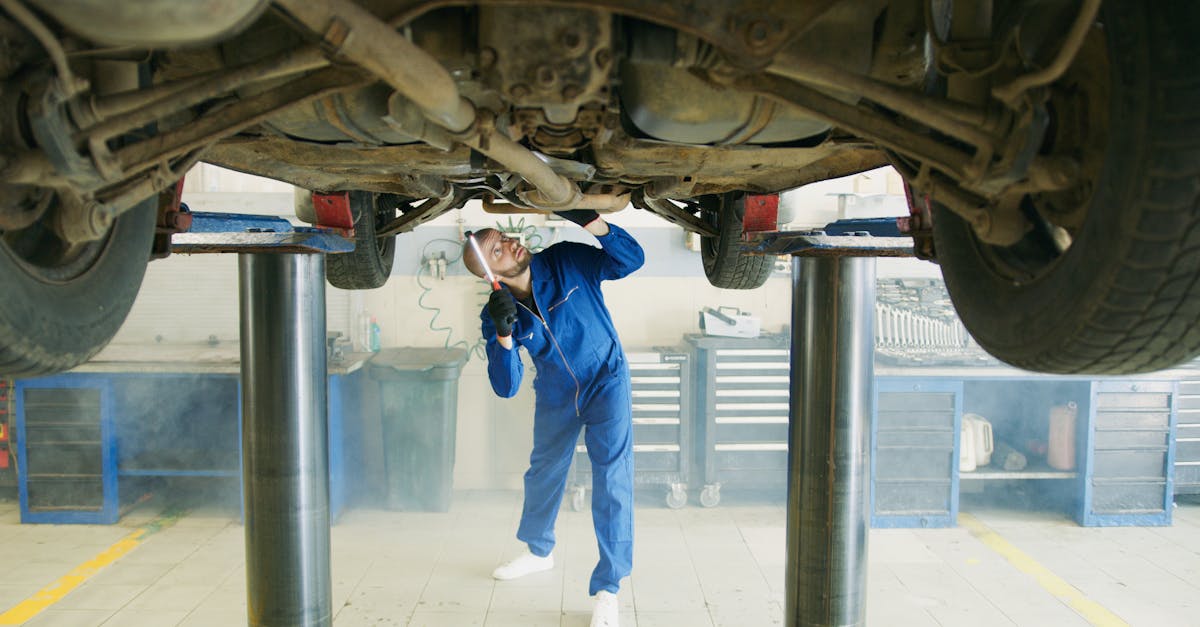
Visiting a certified mechanic for brake inspections offers several advantages. Professionals have the training and experience necessary to identify issues that might be overlooked during a casual check. These technicians use specialised tools and equipment, ensuring a comprehensive analysis of the brake system. They can also provide valuable insights into the lifespan of brake components and any required repairs, which can help in planning future maintenance.
Choosing a reputable workshop can significantly impact the quality of the inspection. Look for facilities that are certified and have a solid reputation within the community. Reading reviews and seeking recommendations can lead to better service and assurance that your vehicle is in good hands. A trustworthy mechanic will not only perform the inspection but also explain findings clearly and advise on the most suitable course of action for maintaining safety on the road.
Choosing the Right Workshop
Selecting a workshop for brake inspections and repairs requires careful consideration. Look for establishments that are certified and have a solid reputation in the community. Customer reviews and testimonials can provide valuable insights into their service quality. In addition, ensure the technicians are experienced and familiar with your vehicle make and model, as this knowledge contributes to effective maintenance and repairs.
It also helps to find a workshop that offers a transparent pricing structure. This approach ensures no hidden fees catch you by surprise when it's time to pay the bill. A good workshop will provide a detailed quote for any needed services and explain the work that has been done clearly. Engaging with workshops that prioritise customer communication fosters a sense of trust and confidence in their capabilities.
Consequences of Neglecting Brake Inspections
Neglecting regular brake inspections can lead to significant safety hazards. Over time, brake components may wear down without any visible signs. This deterioration can result in decreased stopping power, increasing the likelihood of accidents. The failure of brakes during critical moments can be catastrophic, not just for the driver but also for passengers and other road users.
Financial repercussions are another concern associated with infrequent brake checks. Minor issues can quickly escalate into costly repairs if ignored. Brake failure may cause damage to other vehicle components, leading to a more extensive and expensive repair process. Maintaining a consistent brake inspection schedule is vital for both safety and budget management.
Risks of Poor Brake Maintenance
Neglecting brake maintenance can lead to severe safety hazards. Worn brake pads can result in reduced stopping power, increasing the distance required to halt a vehicle. This delay can become critical in emergency situations where quick reflexes are necessary to avoid potential accidents. Additionally, malfunctioning brake components can cause uneven wear and tear, which may lead to more extensive damage and costly repairs over time.
Furthermore, poor brake maintenance may elevate the risk of complete brake failure. This can leave drivers without control in perilous situations, risking not just their safety but also the safety of others on the road. Regular inspections and timely repairs are essential to ensure that braking systems function optimally, minimising the chances of encountering these dangerous scenarios.
FAQS
How often should I have my brakes inspected?
It is recommended to have your brakes inspected at least once a year, or more frequently if you notice any issues such as unusual noises or reduced responsiveness.
What are some signs that my brakes need inspection?
Signs that your brakes may need inspection include squeaking or grinding noises, the brake warning light on your dashboard, a vibrating brake pedal, or a spongy brake feel.
Can I perform brake inspections myself?
Yes, you can perform basic brake inspections at home by checking for wear on brake pads, inspecting brake fluid levels, and examining the condition of brake rotors and lines. However, for comprehensive evaluations, professional services are recommended.
How do I choose the right workshop for brake inspections?
Look for workshops that are certified and have good reviews. It's also beneficial to find a workshop that specialises in brake systems and offers clear communication about their services and pricing.
What can happen if I neglect brake inspections?
Neglecting brake inspections can lead to severe consequences, including reduced stopping power, increased repair costs, and higher risks of accidents due to brake failure. Regular maintenance is crucial for your safety on the road.
Related Links
How to Choose the Right Brake Pads for Your CarCommon Causes of Brake Failure in Australian Vehicles
Top Tips for Maintaining Your Braking System
The Role of Brake Fluid in Vehicle Safety
When to Replace Your Brake Lines
A Guide to Disc and Drum Brake Repairs