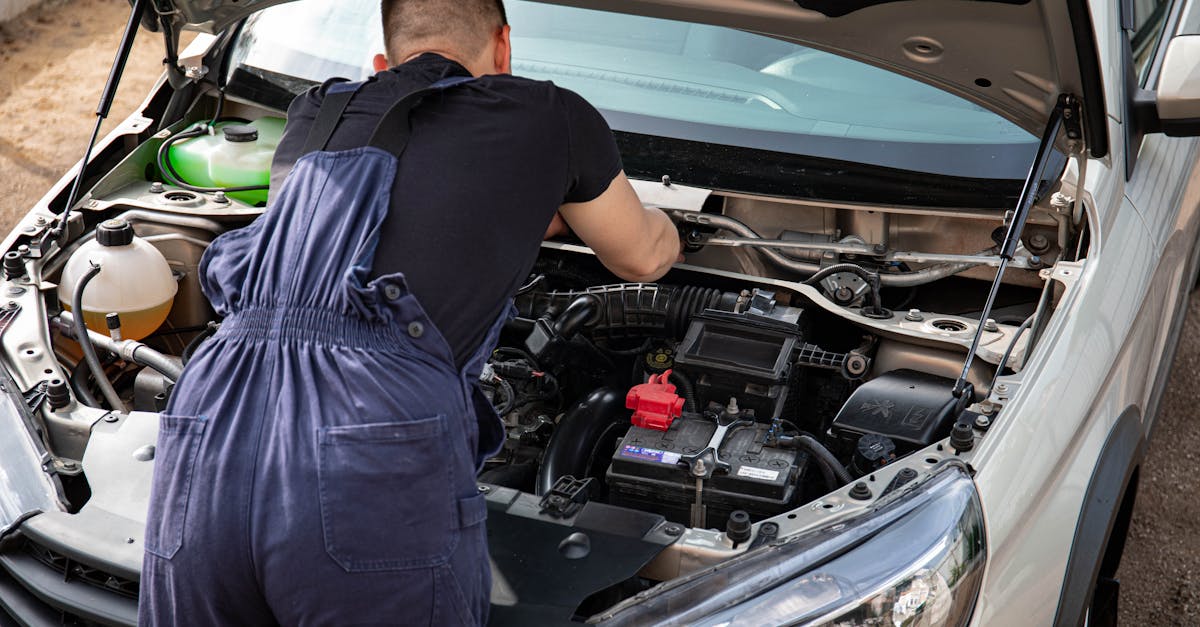
Steps to Diagnose and Fix Minor Engine Issues
Table Of Contents
Assessing Battery and Electrical Systems
The battery is often the first component to investigate when addressing minor engine issues. A visual inspection is crucial. Check for signs of corrosion around the terminals, as this can affect the battery's performance. Ensure connections are tight and free from dirt or debris. If the battery is more than three to five years old, consider its age and assess whether it may need replacement, as older batteries can fail unexpectedly.
Electrical systems should also be considered during this assessment. Look for any frayed wires or loose connections that may impact the functioning of the engine. Testing the voltage output can provide insight into the battery’s health. A healthy battery typically shows a voltage of about 12.6 volts when fully charged. If readings fall below this level, recharging or replacing the battery may be necessary to prevent further engine issues.
Troubleshooting Battery Life and Connections
Checking battery life can prevent a vehicle from experiencing unexpected breakdowns. Start by examining the battery terminals for corrosion or loose connections. Clean any corrosion with a mixture of baking soda and water. Tighten any loose connections to ensure a solid electrical flow.
Use a multimeter to test the battery's voltage. A healthy battery should read around 12.6 volts when fully charged. If the voltage is low, consider recharging the battery or replacing it if necessary. Additionally, verify that the alternator is functioning correctly by checking the voltage while the engine is running. This helps confirm whether the battery is receiving adequate charge while driving.
Examining Belts and Hoses
Inspecting belts and hoses in your vehicle is essential for maintaining optimal engine performance. Look for any visible signs of wear, such as cracks, fraying or bulging, which can indicate that replacement is necessary. Pay attention to the condition of the serpentine belt, as it plays a crucial role in driving multiple components, including the alternator and water pump. A worn-out belt could lead to engine overheating or electrical failures.
Hoses should also be examined for leaks, soft spots or discolouration. Coolant hoses are vital for the engine’s cooling system, while vacuum hoses are critical for maintaining proper air-fuel mixtures. Any indication of deterioration could compromise engine efficiency and lead to more significant issues down the line. Regular visual checks and timely replacements will help ensure your vehicle remains in good condition.
Signs of Wear and Tear
Inspecting belts and hoses is essential for identifying potential engine issues. Look for visible signs of wear such as cracks, fraying, or glazing on the surface of the belts. Hoses should be checked for leaks, nicks, and brittleness. A worn-out belt can slip or break, leading to overheating or a loss of power steering. Hoses that are deteriorating may cause coolant leaks, resulting in engine overheating and other serious problems.
Regular maintenance can help prevent unexpected breakdowns. Keeping belts and hoses clean and properly tensioned extends their lifespan. Ensure that replacement parts meet manufacturer specifications for the best performance. Being proactive in examining these components can save time and money, avoiding more severe engine complications down the road.
Running a Diagnostic Test
A diagnostic test is a crucial step in identifying and addressing minor engine issues. Using an OBD-II scanner, vehicle owners can access the onboard computer system for error codes, which indicate malfunctions in various engine components. These codes provide specific information about problems, allowing for a targeted approach to repairs. Connecting the scanner is straightforward, requiring only a compatible device and proper setup.
Once the scanner is connected, the vehicle's engine control unit (ECU) will communicate any detected issues. Error codes appear as alphanumeric combinations, each corresponding to a particular malfunction. It's essential to refer to a reliable code reference chart to interpret these codes accurately. In addition to identifying problems, the diagnostic test can offer information about the overall health of the engine, helping to prevent future complications.
Using an OBD-II Scanner for Code Retrieval
One effective way to identify engine problems is through the use of an OBD-II scanner. This tool connects directly to the vehicle's diagnostic port, retrieving trouble codes that provide invaluable insight into any existing issues. By accessing these codes, users can understand which systems may be malfunctioning and prioritise repairs accordingly. The scanner can often pinpoint problems related to the engine, transmission, or emissions system, offering a clear starting point for further investigation.
After connecting the scanner, it’s essential to interpret the codes accurately. Each code corresponds to specific issues, and many scanners provide a brief description to assist in understanding the nature of the problem. Once the codes are retrieved, you can employ the manufacturer's resources or online databases for detailed explanations. This information not only clarifies the issues at hand but can also guide you in determining whether repairs are manageable at home or require professional assistance.
FAQS
What are the first steps to assess the battery and electrical systems in my vehicle?
Start by checking the battery terminals for any corrosion and ensuring that connections are tight. Then, test the battery voltage using a multimeter to see if it is within the acceptable range.
How can I troubleshoot battery life and connections effectively?
Look for signs of wear in the battery cables, check for any loose connections, and consider conducting a load test on the battery to ensure it can hold a charge under strain.
What signs of wear and tear should I look for when examining belts and hoses?
Check for cracks, fraying, or glazing on the belts, and look for bulges, leaks, or soft spots on the hoses. Listening for unusual noises while the engine is running can also indicate a problem.
How do I run a diagnostic test on my vehicle?
You can run a diagnostic test by using an OBD-II scanner, which connects to your vehicle's diagnostic port. The scanner retrieves trouble codes that can help identify engine issues.
What should I do if the OBD-II scanner shows trouble codes?
Review the trouble codes against a reference guide to understand what issues they indicate. You may need to research specific fixes or consult a professional mechanic if the problems are beyond your expertise.
Related Links
A Beginner's Guide to DIY Headlight RestorationHow to Rotate Your Tyres Without Professional Help
Tips for Inspecting and Replacing Wiper Blades
How to Change Your Oil Like a Pro at Home
Easy Ways to Test Your Car Battery
Understanding the Basics of Car Fluid Checks