Preventative Maintenance for Your Vehicle’s Suspension
Table Of Contents
DIY Suspension Checks
Regularly checking your vehicle's suspension can help identify potential issues before they escalate. A visual inspection can reveal signs of wear on components like shocks, struts, and bushings. Look for any noticeable leaks, dents, or rust. If a component appears damaged, it may require further investigation or replacement. Additionally, listening for unusual noises when driving can provide clues about the suspension condition. Clunks, squeaks, or rattles often indicate that something is amiss.
Another straightforward method involves checking the vehicle's ride height and handling. An uneven stance or excessive body roll during cornering can suggest suspension problems. You can also assess the bounce of the vehicle by pushing down on the corners of the car. If the vehicle bounces more than once before settling, this could indicate worn-out shocks or struts. Performing these checks regularly can help you stay ahead of suspension issues and maintain safe driving conditions.
Simple Inspections You Can Perform
Checking your vehicle’s suspension doesn’t require advanced technical skills. Start by visually inspecting the suspension components for any obvious signs of wear, such as cracked bushings or leaking shock absorbers. Pay attention to any rust or corrosion, especially on metal parts.
Another effective method is to perform a bounce test on each corner of the vehicle. Push down firmly at each corner and observe how quickly the vehicle returns to its normal position. If it bounces more than a couple of times, this may indicate worn shocks or struts, which could affect ride quality and handling. Regular checks can help in identifying issues before they escalate.
Professional Suspension Services
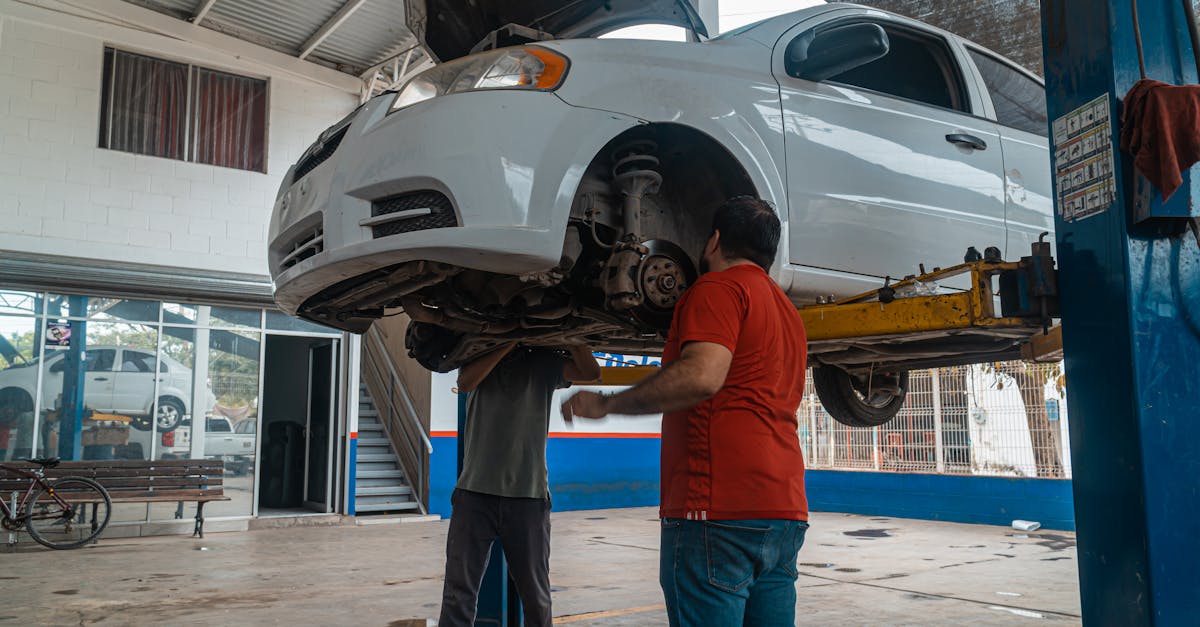
When your vehicle’s suspension shows signs of wear or irregularities beyond basic DIY checks, consulting a professional is essential. Trained technicians can conduct thorough evaluations to identify any underlying issues that may not be visible during routine inspections. This level of expertise helps ensure that all components function harmoniously, maintaining overall vehicle safety and ride quality.
Additionally, professional services provide access to specialized tools and equipment designed for detailed diagnostics. This precision can uncover problems that might be overlooked in DIY assessments. Mechanics also possess extensive knowledge of manufacturer specifications, ensuring that repairs or replacements meet required standards for performance and longevity. Regular professional inspections can contribute significantly to the durability of your vehicle’s suspension system.
When to Seek Expert Help
Regular inspections can often uncover issues that require professional attention. If you notice unusual noises such as clunking or squeaking when driving over bumps, this is a sign that something may be amiss with your suspension. Additionally, if you find that your vehicle pulls to one side or feels unstable while driving, it’s crucial to seek expert help. Both of these symptoms can point to more serious problems, such as worn-out components or alignment issues.
Another scenario where expert assistance is necessary involves changes in ride quality. If your car feels excessively bouncy or the ride becomes noticeably harsher, these could indicate worn dampers or springs. The need for prompt diagnosis and repair cannot be overstated, as neglecting these signs can lead to more extensive damage to your vehicle and compromise your safety on the road. Consider reaching out to a qualified technician who can perform a comprehensive assessment and address any underlying issues effectively.
Choosing Quality Replacement Parts
Selecting the right parts for your vehicle’s suspension is crucial for maintaining optimal performance and safety. Using high-quality components can significantly affect the overall driving experience. Original Equipment Manufacturer (OEM) parts are designed to match the specifications of your vehicle, ensuring proper fit and functionality. They may come at a higher price but often guarantee durability and reliability which can lead to fewer issues down the road.
Aftermarket parts can offer potential cost savings and unique options but vary widely in quality. It is essential to research brands and read reviews before making a purchase. Cheaper aftermarket options may compromise the integrity of your suspension system. Weighing the benefits of OEM against carefully selected aftermarket parts can help ensure that you make a well-informed choice that meets your needs.
Importance of Using OEM vs. Aftermarket
When it comes to vehicle maintenance, the choice between Original Equipment Manufacturer (OEM) parts and aftermarket components can significantly impact performance and longevity. OEM parts are designed specifically for your vehicle model, ensuring a perfect fit and compatibility with existing systems. These components often come with warranties that reflect the manufacturer's trust in their quality and durability, providing peace of mind for owners.
On the other hand, aftermarket parts can offer cost savings and availability but vary widely in quality. Some aftermarket manufacturers produce high-quality components that rival or even exceed OEM standards, while others may cut corners. It is crucial to research the reputation of the aftermarket brands and gauge user reviews to ensure any replacement parts meet your vehicle’s standards and performance expectations. Making an informed choice can help maintain your suspension system’s efficacy over time.
FAQS
How often should I perform DIY suspension checks on my vehicle?
It is recommended to perform DIY suspension checks at least once every six months or before long trips to ensure everything is functioning properly.
What are some simple inspections I can perform on my suspension?
You can check for visible signs of wear such as leaks in shock absorbers, inspect for any unusual noises while driving, and look for uneven tyre wear.
When should I seek professional suspension services?
You should seek professional help if you notice any significant changes in ride quality, unusual noises, or if your vehicle begins to pull to one side, as these may indicate serious issues.
What should I consider when choosing replacement suspension parts?
It is important to consider the quality, compatibility with your vehicle, warranty, and whether to choose OEM (Original Equipment Manufacturer) parts or aftermarket options.
What is the difference between OEM and aftermarket parts for suspension?
OEM parts are made by the vehicle manufacturer and are designed to fit and function exactly like the original parts, while aftermarket parts are produced by third-party manufacturers and may vary in quality and fit.
Related Links
Upgrading Your Suspension: When and Why to Consider ItThe Costs Involved in Suspension Repairs
DIY vs Professional Suspension Repairs: Pros and Cons
Signs Your Suspension Needs Immediate Attention
What to Expect During a Suspension Repair
Understanding Different Types of Suspension Systems
How to Choose the Right Suspension Repair Service in Sydney
The Role of Suspension in Vehicle Safety and Comfort