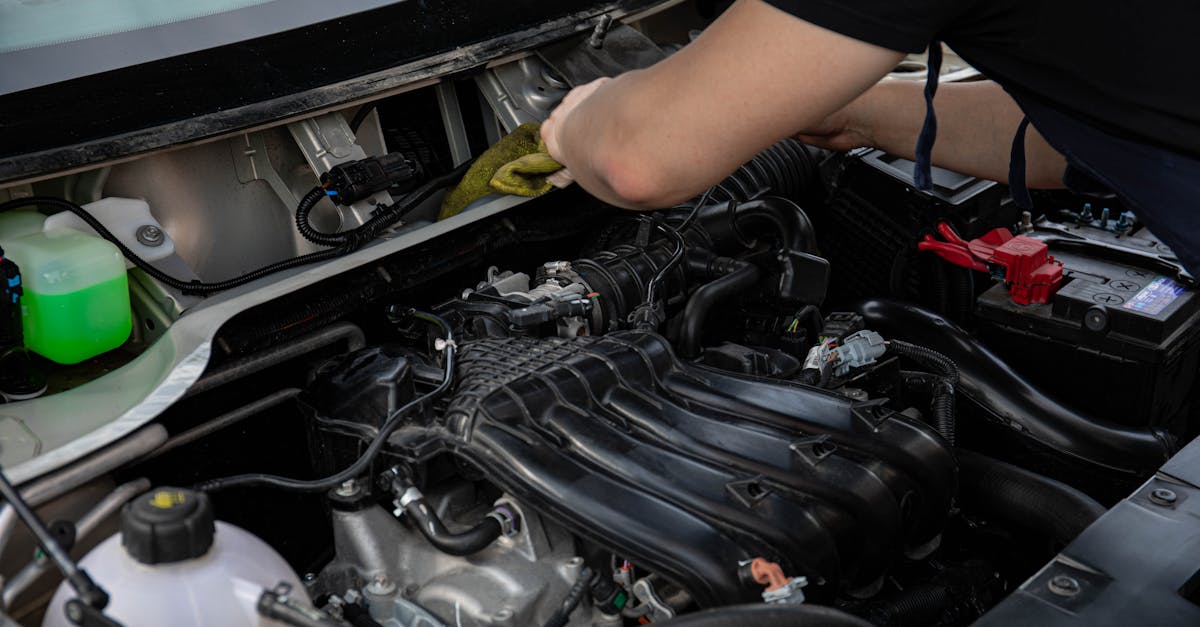
Inquiring About Warranty Coverage for Car Repairs
Table Of Contents
Documentation Requirements
Before seeking warranty coverage for car repairs, it's important to gather all necessary documentation. This typically includes the original purchase receipt, warranty booklet detailing coverage terms, and service records confirming regular maintenance. Keeping these documents organised helps streamline the claims process.
Additionally, ensure that any relevant correspondence with the dealership or repair shop is included. This may involve emails, letters, or notes from phone calls regarding service issues. Having a complete set of documents readily available improves the likelihood of a successful warranty claim and protects your rights as a consumer.
Essential Papers You Need
When seeking warranty coverage for car repairs, having the right documentation is vital. Keep a copy of your purchase receipt, as this proves the date of your vehicle’s purchase. Additionally, any service records must be maintained, showing that you have followed the recommended maintenance schedule. These documents can significantly bolster your claim.
Another crucial paper is the warranty contract itself, which outlines the specific terms and conditions tied to your vehicle’s warranty. This document will clarify what repairs are covered, the duration of the warranty, and any requirements for filing a claim. If available, bringing a copy of any previous correspondence with the manufacturer or service provider can provide extra context should questions arise during the claims process.
Limitations of Warranty Coverage
Warranty coverage for car repairs can have specific limitations that consumers should be aware of. Generally, warranties may not cover damage resulting from accidents, misuse, or modifications made to the vehicle. This can include aftermarket parts or alterations to the car that differ from the manufacturer’s specifications. In such cases, the warranty provider might void the coverage, leaving the owner responsible for repair costs.
Another crucial aspect is the time frame of warranty coverage. Most warranties come with a limited duration, often defined in kilometres or months. If a problem arises after this period has expired, the warranty will no longer be in effect. Additionally, certain maintenance tasks may be required to keep the warranty valid, such as regular servicing at specified intervals. Failing to complete these tasks can result in a denial of warranty claims.
Scenarios Where Warranty May Not Apply
Certain conditions may lead to a warranty not covering car repairs. For instance, any damage resulting from neglect or improper maintenance typically falls outside warranty provisions. If a vehicle has been modified or altered beyond its original specifications, the warranty can often be voided.
Additionally, claims related to wear and tear may not qualify for coverage. Components wear down over time due to normal use, and warranties rarely extend to parts that have expired their functional lifespan. It's crucial for car owners to familiarise themselves with the specific terms of their warranties to understand what repairs remain protected.
Claiming Warranty Benefits
Filing a warranty claim begins with gathering all relevant documentation that supports your case. Keep a detailed record of conversations with your dealer or service provider, including dates and names of representatives involved. This helps ensure clarity about the repairs completed and the nature of the warranty coverage. It is also advisable to take photographs of any issues, as visual evidence can strengthen your claim.
Once you've prepared your documentation, contact your service provider to initiate the claim process. Be clear and concise when explaining the situation, citing specific warranty terms if necessary. Follow up persistently to ensure your claim is processed, as delays can sometimes occur. Keeping copies of all communications can assist in tracking the progress and addressing any discrepancies that may arise during the process.
The Process of Filing a Claim
Filing a claim for warranty benefits involves a series of steps that should be approached methodically. Start by gathering all relevant documents which may include your warranty contract, proof of purchase, and any service records related to the repairs. Ensure you have clear copies of these documents as manufacturers often require detailed information during the claim process. Most companies provide specific forms or online portals for submissions. Follow the instructions carefully to avoid any delays.
Once the necessary documents are ready, submit your claim through the designated channels. Some manufacturers allow for claims to be filed online, while others may require physical forms to be mailed. Keep a record of your submission and any communications with the manufacturer. If further information is requested, respond promptly to facilitate the review process. Patience is vital, as claim evaluations can take time depending on the company's workload.
FAQS
What documents do I need to provide when inquiring about warranty coverage for car repairs?
You typically need to provide your vehicle's warranty documentation, proof of purchase, service records, and any relevant repair invoices to inquire about warranty coverage.
Are there situations where my warranty won't cover car repairs?
Yes, warranties may not cover repairs if the damage is due to misuse, lack of maintenance, or if the vehicle has been modified outside of manufacturer specifications.
How do I file a claim for warranty benefits on car repairs?
To file a claim, contact the warranty provider or dealership, gather necessary documentation, and submit a formal claim form as per their guidelines.
Can I claim warranty benefits if the repair is done at an independent shop?
It depends on the terms of your warranty. Some warranties require repairs to be conducted at authorised service centres for coverage to be valid.
How long does it usually take to process a warranty claim for car repairs?
The processing time for warranty claims can vary but typically takes anywhere from a few days to a few weeks, depending on the warranty provider and the complexity of the claim.
Related Links
What to Ask About the Mechanic's Experience with Your Car ModelUnderstanding the Qualifications to Look for in a Mechanic
Questions Regarding the Use of Genuine vs Aftermarket Parts
Clarifying the Mechanic's Policy on Follow-Up Work
Inquiring About Diagnostic Tools and Technologies Used