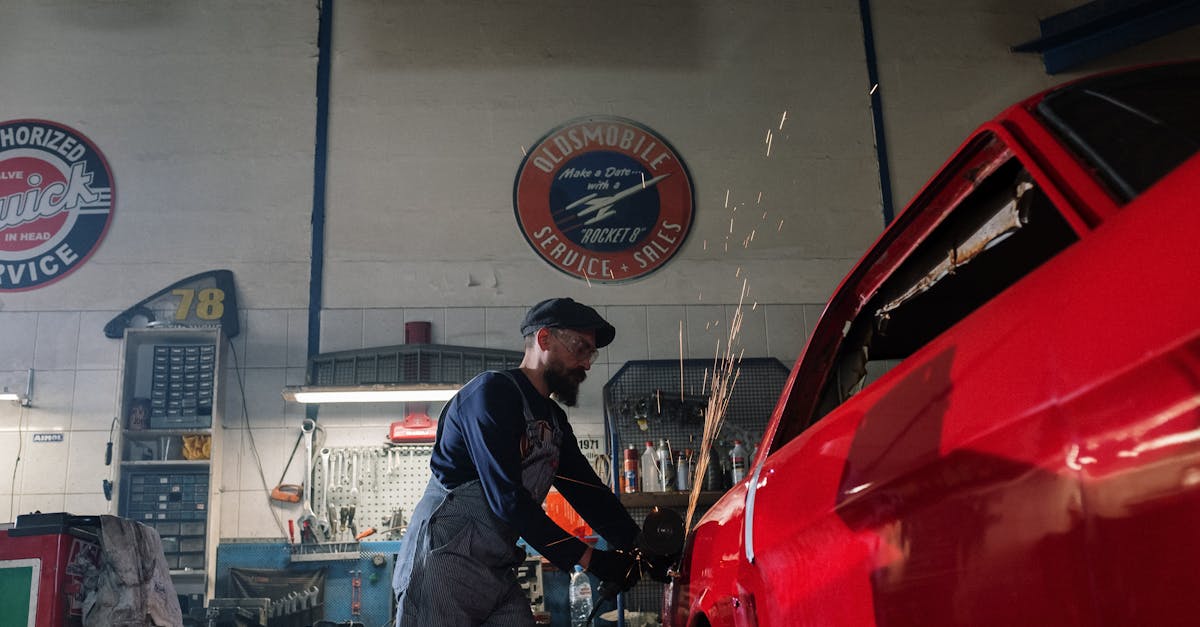
Essential Certifications Every Car Mechanic Should Hold
Table Of Contents
Additional Mechanical Certifications
Mechanics seeking to enhance their skill sets can benefit significantly from obtaining additional certifications. These credentials often focus on specific systems or technologies, such as hybrid and electric vehicles, advanced diagnostics, or automotive air conditioning. Acquiring these certifications not only broadens their expertise but also increases their value in the job market as the automotive industry evolves.
Furthermore, specialised certifications can demonstrate a commitment to professionalism and a proactive approach to career advancement. Many organisations offer courses and assessments tailored to emerging technologies, ensuring that mechanics stay competitive. Engaging in these learning opportunities allows technicians to adapt to the rapidly changing landscape of automotive technology, meeting the evolving needs of customers and employers alike.
Exploring Specialisations
Car mechanics can enhance their skills and marketability by pursuing specialised certifications. These qualifications allow them to focus on specific areas, such as automotive electrical systems, engine diagnostics, or hybrid vehicle technology. With the rapid advancements in vehicle engineering and electronics, having specialised knowledge not only improves job performance but also helps in attracting employers seeking expertise in these niche fields.
Specialisation can also lead to greater career opportunities. Mechanics with advanced certifications are often sought after for roles in high-performance vehicle tuning or advanced driver assistance systems (ADAS) repair. Engaging in specialised training fosters a deeper understanding of complex vehicle systems, ensuring mechanics remain competent in an evolving industry. This expertise can differentiate mechanics in a competitive job market, highlighting their commitment to excellence and ongoing professional development.
Importance of Ongoing Professional Development
Keeping skills current is crucial in the automotive industry. As technology evolves, so too do the techniques and equipment used in car repair and maintenance. Engaging in ongoing professional development helps mechanics stay at the forefront of new developments. It also allows them to improve their capabilities and adapt to shifting industry demands.
Mechanics should actively seek out training opportunities and workshops that can enhance their knowledge. Regularly updating certifications or pursuing new qualifications ensures compliance with industry standards. This commitment to learning not only boosts career prospects but also enhances job performance and customer satisfaction.
Staying Updated with Industry Trends
Mechanics must keep pace with the rapid evolution of vehicle technology and diagnostics. The automotive industry frequently introduces new systems such as electric vehicles and advanced driver assistance systems. Engaging in workshops, online courses, and trade shows can help professionals learn about recent advancements. Additionally, networking with peers can provide insights into emerging tools and techniques.
Accessing industry publications and forums is essential for staying informed on best practices and innovations. Many manufacturers offer training sessions to introduce new models and technologies. Those mechanics who actively seek these learning opportunities are better equipped to troubleshoot complex issues. This continuous education ultimately enhances service quality and customer satisfaction.
Recognising International Certifications
International certifications can enhance a car mechanic's professional profile significantly. These credentials showcase a mechanic's commitment to maintaining high standards and their ability to work within varied regulatory environments. Recognising and valuing these certifications can assist employers in identifying skilled professionals who possess a broad understanding of automotive technologies and methodologies from different parts of the world.
Mechanics aiming to work in Australia or with international clients may find these certifications particularly beneficial. They not only provide a competitive edge but also broaden the mechanic's knowledge and skill set. Employers may also seek mechanic qualifications from international bodies such as the Institute of Automotive Engineers or equivalent, reflecting the global nature of the automotive industry and the necessity for cross-border recognition of skills.
Validity for Australian Mechanics
International certifications can enhance the appeal of a mechanic's credentials in Australia. Many prestigious organisations offer qualifications that are recognised worldwide, which can lead to increased employment opportunities. Having a globally acknowledged certification can also create trust with customers and employers, signalling a commitment to quality and expertise.
Australian mechanics must ensure that their international certifications align with local industry standards. It’s essential to verify that any overseas qualifications meet the requirements set by Australian regulatory bodies. This verification process helps maintain a competitive edge while ensuring compliance with local laws and regulations. Mechanics may need to undertake additional training or assessments to obtain full recognition of their international credentials within the Australian context.
FAQS
What are the essential certifications every car mechanic should hold?
Essential certifications for car mechanics typically include the Certificate III in Light Vehicle Mechanical Technology, Automotive Service and Repair qualifications, and various manufacturer-specific certifications.
How can additional mechanical certifications enhance a mechanic's career?
Additional mechanical certifications can enhance a mechanic's career by demonstrating advanced skills, specialisation in specific areas, and a commitment to ongoing professional development, which can lead to better job opportunities and higher pay.
Why is ongoing professional development important for car mechanics?
Ongoing professional development is important for car mechanics to stay updated with the latest technology, tools, and techniques in the automotive industry, ensuring they provide the best service to their customers and remain competitive in the job market.
What are some examples of specialisations a car mechanic can pursue?
Some examples of specialisations a car mechanic can pursue include diesel engine repair, automotive air conditioning, hybrid vehicle technology, and performance tuning, which can cater to specific market demands and enhance their skillset.
How do international certifications apply to Australian mechanics?
International certifications can be recognised in Australia, depending on the issuing organisation's reputation and standards. Mechanics may need to verify the validity of their international qualifications with local regulatory bodies to ensure compliance with Australian regulations.
Related Links
The Role of Industry Accreditations in Choosing Your MechanicVerifying Mechanic Qualifications for Peace of Mind
The Impact of Qualifications on Vehicle Repairs
Exploring the Different Types of Mechanic Certifications
Red Flags in a Mechanic's Certification Status
How to Find Qualified Mechanics in Sydney
Questions to Ask About Your Mechanic's Qualifications
Understanding the Importance of Mechanics' Training Programs
How to Assess a Mechanic's Professional Credentials